Card Connector Buying Guide: From Selection to Supplier Evaluation
- Share
- publisher
- MOARCONN
- Issue Time
- Feb 2,2026
Summary
A practical card connectors buying guide covering selection criteria, supplier evaluation, and tips for choosing reliable manufacturers.
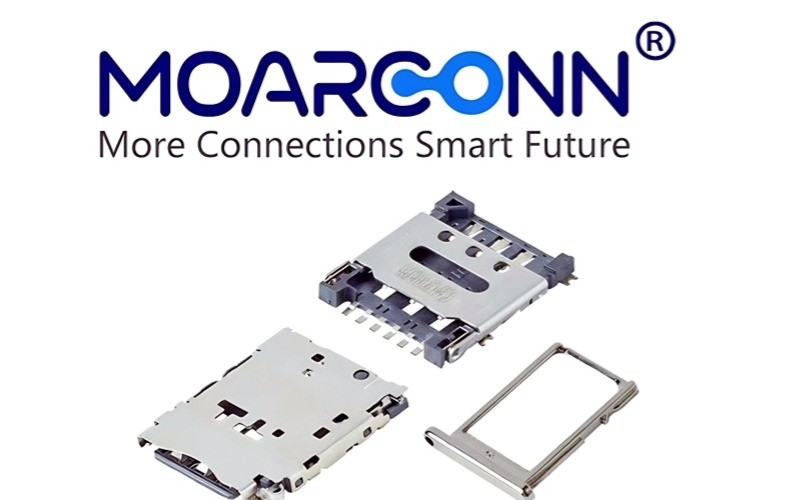
Introduction: Why Choosing the Right Card Connector Matters
Card connectors play a critical role in modern electronic devices, enabling secure data and power transmission between memory cards, SIM cards, and printed circuit boards. From consumer electronics to industrial and automotive systems, selecting the right card connectors directly impacts product reliability, lifespan, and overall performance.
However, many buyers focus only on product specifications and overlook an equally important factor: choosing the right card connector manufacturer or supplier. This guide walks you through the complete process—from connector selection to supplier evaluation—helping OEMs, engineers, and procurement teams make informed decisions.
1. Understanding Card Connectors and Their Applications
Card connectors are mechanical and electrical interfaces designed to connect removable cards to electronic systems. Common types include:
• SIM card connectors (Nano SIM, Micro SIM)
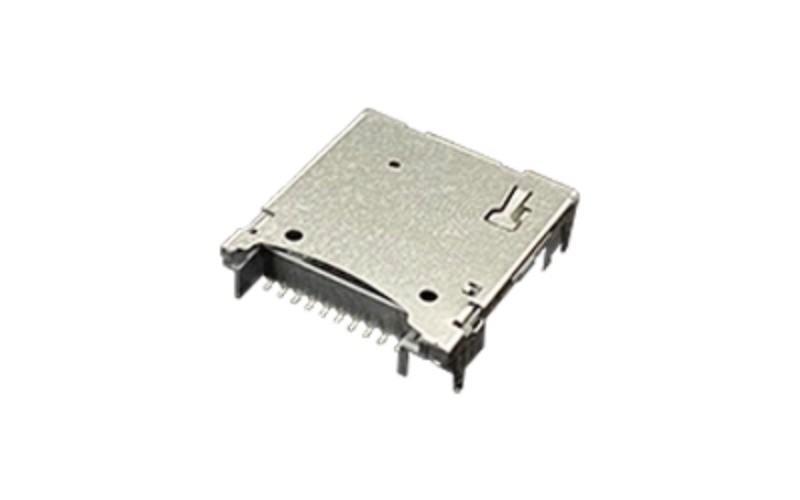
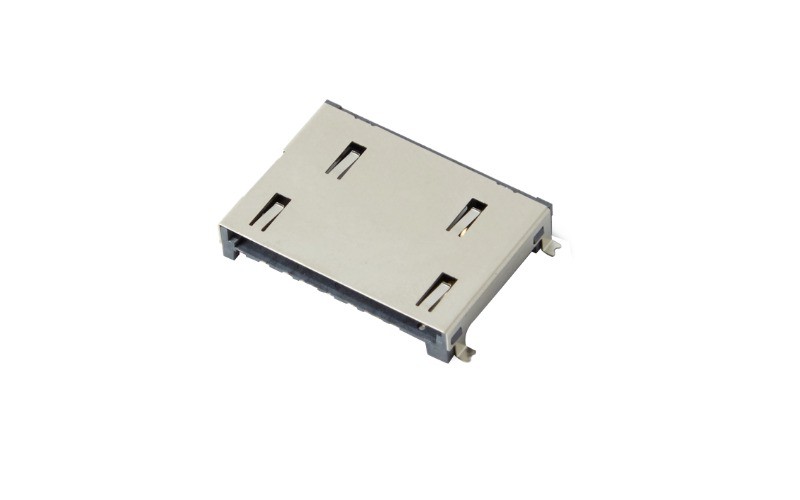
• SD / microSD card connectors
• Card edge connectors
• Memory card sockets
They are widely used in consumer electronics, industrial equipment, IoT devices, automotive electronics, and communication systems.
2. Step One: Defining Your Card Connector Requirements
Before contacting any supplier, it is essential to define your technical requirements clearly. Successful sourcing always starts with application-driven selection.
Key factors to consider:
• Card type and size
• Mounting style (SMT / Through-hole / Edge mount)
• Electrical performance requirements
• Mechanical durability (mating cycles)
• Environmental conditions (temperature, vibration, humidity)
3. Material Quality and Design Reliability
High-quality card connectors depend heavily on material selection and internal design. Key aspects include:
• Contact plating quality (gold thickness)
• Housing material and heat resistance
• Spring contact stability
• Anti-misinsertion and card detection features
At MOARCONN, card connectors are designed with precision contact structures and durability-focused materials, ensuring stable electrical performance throughout their service life.
4. Evaluating Card Connector Suppliers
According to industry sourcing guides, evaluating a card connector supplier should focus on more than price.
Manufacturing Capability
• In-house stamping, molding, and assembly
• Automated production lines
• Capacity for mass production
Quality Control
• ISO 9001 quality systems
• In-process inspections
• Mechanical and environmental testing
Engineering Support
• Customization capability
• Fast technical response
• Design-for-manufacturing support
MOARCONN operates as a direct card connector manufacturer, offering integrated production and strict quality control.

5. Certifications, Compliance, and Trust Signals (EEAT)
A trustworthy card connector supplier should demonstrate:
• RoHS / REACH compliance
• Transparent documentation
• Clear datasheets and test reports
• Long-term supply commitment
MOARCONN maintains compliance documentation and stable production systems to support global customers.
6. Cost vs. Long-Term Value
Choosing the lowest-priced card connector often leads to higher failure rates and redesign costs. Evaluating total cost of ownership is more effective.
7. Final Supplier Evaluation Checklist
• Complete technical documentation
• Stable lead times
• Customization capability
• Quality consistency
• Industry experience
Conclusion
Selecting the right card connectors requires both technical evaluation and supplier assessment. MOARCONN supports customers with reliable products, engineering expertise, and long-term supply stability.