Nano SIM Card Connectors: Types, Specifications, and Selection Guide for Engineers
- Share
- publisher
- MOARCONN
- Issue Time
- Nov 27,2026
Summary
Explore Nano SIM card connector types, specifications, PCB design tips, and selection guidance for reliable electronic applications.
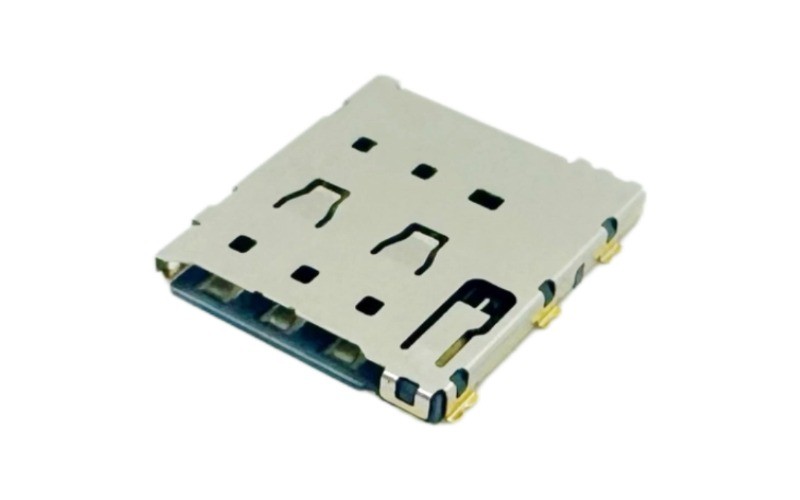
Nano SIM Card Connectors: Types, Specifications, and Selection Guide for Engineers
Meta Title: Nano SIM Card Connectors | Types & Selection Guide
Meta Description: Learn about Nano SIM Card Connectors, including connector types, key specifications, PCB design considerations, and practical selection tips for engineers.
URL: /blog/nano-sim-card-connectors-selection-guide
Introduction
Nano SIM Card Connectors are essential components in electronic devices that require cellular connectivity. They provide a reliable electrical and mechanical interface between a Nano SIM card and the PCB.
For engineers designing IoT devices, GPS trackers, industrial equipment, and cellular communication products, selecting the right Nano SIM connector involves more than matching the card size.
Important factors include connector structure, profile height, contact configuration, PCB footprint, card detection, and mechanical reliability.
In this guide, we explain the common types of Nano SIM Card Connectors, their key specifications, and how to select the right connector for your application.
MOARCONN specializes in card socket connectors, including Nano SIM, Micro SIM, SD, Micro SD, and smart card connectors, supporting a wide range of electronic applications.
1. What Is a Nano SIM Card Connector?
A Nano SIM Card Connector, also called a Nano SIM socket or holder, is a PCB-mounted component designed to receive a Nano SIM card and establish electrical contact.
The Nano SIM card uses the 4FF format, with standard dimensions of 12.3 × 8.8 mm.
However, the connector's overall dimensions and mounting height vary by model. Engineers should always check the manufacturer's mechanical drawing before PCB design.
2. Common Types of Nano SIM Card Connectors
Nano SIM connectors are available in several mechanical structures.
Push-Push Connectors
Push-Push connectors use a spring-loaded mechanism for card insertion and ejection.
Advantages:Convenient card replacement and secure locking.
Applications:Cellular routers, IoT gateways, and GPS trackers.
Push-Pull Connectors
Push-Pull connectors allow manual card insertion and removal.
Advantages:Compact structure and straightforward operation.
Applications:Wearable devices, portable electronics, and compact IoT products.
Hinged Connectors
Hinged connectors use a movable cover to secure the SIM card.
Advantages:Stable card positioning and convenient installation.
Applications:Industrial equipment and embedded communication devices.
Connector Type Comparison
| Type | Main Advantage | Key Consideration |
| Push-Push | Convenient ejection | Mechanism clearance |
Push-Pull | Compact design | Card retention |
| Hinged | Secure positioning | Hinge durability |
| Tray-Type | Defined card position | Tray clearance |
3. Key Specifications Engineers Should Check
Before selecting a Nano SIM Card Connector, review the following specifications.
Connector Dimensions and Height
Connector height affects the overall thickness of the device.
MOARCONN offers Nano SIM connector configurations with different profile heights, including selected Push-Pull, Push-Push, and Hinged designs.
Always verify the exact height, tolerance, and mounting dimensions in the datasheet for your selected model.
Contact Configuration
Most standard Nano SIM connectors provide six SIM contact positions. Some models include additional pins for card detection or other functions.
Check the pin assignment, contact orientation, and card insertion direction before PCB layout.
Electrical Specifications
Important electrical parameters include:
Contact resistance
Rated current
Insulation resistance
Contact material and plating
These values should meet the requirements of your SIM interface and cellular module.
Durability and Operating Environment
For industrial and outdoor applications, consider insertion and extraction cycles, operating temperature, vibration, and mechanical retention.
Engineering Note:Do not select a connector based only on appearance or profile height. Review the complete mechanical and electrical specifications.
4. How to Choose the Right Nano SIM Connector
A practical selection process should include the following steps.
Step 1: Check PCB Space
Confirm the available PCB area, connector height, card insertion direction, and mechanical clearance.
Step 2: Select the Insertion Mechanism
Choose Push-Push, Push-Pull, Hinged, or Tray-Type according to card access and maintenance requirements.
Step 3: Confirm Card Detection
If your device needs to detect SIM card insertion or removal, verify that the connector provides a compatible detection switch.
Step 4: Verify the PCB Footprint
Use the manufacturer's recommended land pattern. Check pad dimensions, pin numbering, mounting features, and keep-out zones.
Step 5: Review Assembly Requirements
For SMT connectors, follow the manufacturer's soldering and assembly recommendations.
5. Common Selection Mistakes
Engineers should avoid these common mistakes:
Selecting a connector based only on height
Ignoring card insertion and ejection clearance
Assuming similar connectors share the same PCB footprint
Overlooking card detection requirements
Using outdated or incorrect datasheets
A careful design review can help reduce PCB redesign, assembly issues, and mechanical interference.
6. Nano SIM Connector Applications
Nano SIM Card Connectors are commonly used in:
Cellular IoT gateways and routers
GPS tracking and asset management devices
Industrial communication equipment
Automotive telematics
Portable and wearable electronics
Each application has different requirements for PCB space, card access, environmental performance, and reliability.
7. Why Choose MOARCONN Nano SIM Card Connectors?
Established in 2010, MOARCONN focuses on the development and manufacturing of card socket connectors.
Our product portfolio includes Nano SIM, Micro SIM, SIM, SD, Micro SD, and smart card connectors.
MOARCONN supports different Nano SIM connector structures and profile heights for various PCB and enclosure designs.
For projects with specific mechanical or mounting requirements, our engineering team can support discussions involving:
Connector structure and dimensions
PCB mounting requirements
DFM feedback
Customization and prototype development
Whether you are developing an IoT gateway, GPS tracker, industrial controller, or compact communication device, selecting the right connector early in the design process can help improve product integration.
Explore MOARCONN Nano SIM Card Connectors to find a suitable connector for your project.
8. Frequently Asked Questions
What are Nano SIM Card Connectors?
They are PCB-mounted sockets that provide the electrical and mechanical interface for Nano SIM cards.
What are the common Nano SIM connector types?
Common types include Push-Push, Push-Pull, Hinged, and Tray-Type connectors.
What is the standard Nano SIM card size?
The Nano SIM 4FF card measures 12.3 × 8.8 mm.
How do I select a Nano SIM connector for an IoT device?
Check PCB space, profile height, insertion mechanism, card detection, electrical specifications, and operating environment.
Can MOARCONN provide customized Nano SIM connectors?
MOARCONN supports connector customization and engineering evaluation based on project requirements.
Conclusion
Choosing the right Nano SIM Card Connectors requires careful consideration of mechanical structure, electrical specifications, PCB layout, and application requirements.
By reviewing the datasheet and validating the connector footprint early, engineers can reduce design risks and improve product reliability.
MOARCONN provides Nano SIM connector solutions and engineering support for a wide range of electronic applications.
Contact our team to discuss your Nano SIM connector requirements.
[CTA: Explore Nano SIM Card Connectors]
[CTA: Contact MOARCONN Engineering Team]