SD Card Connectors in Automotive Systems: Meeting Temperature and Durability Standards
- Share
- publisher
- MOARCONN
- Issue Time
- Mar 14,2026
Summary
Reliable SD card connectors for automotive systems. Designed for high temperature, vibration resistance, and long durability.
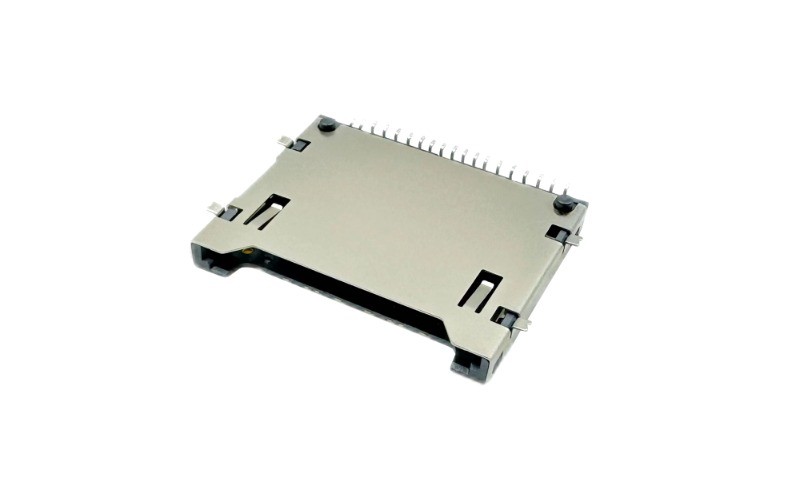
Modern vehicles rely heavily on digital storage systems for navigation, infotainment, driver monitoring, and data recording. As a result, SD card connectors have become essential components in automotive electronics such as dashcams, GPS navigation units, and onboard data loggers.
However, automotive environments are far more demanding than typical consumer electronics. High temperatures, continuous vibration, and long product lifecycles require automotive-grade SD card connectors designed for durability and reliability.
This article explores the temperature, vibration, and durability requirements for SD card connectors in automotive systems, and how manufacturers such as MOARCONN support engineers in building reliable automotive electronics.
Why SD Card Connectors Are Widely Used in Automotive Electronics
Removable storage is still widely used in vehicles because it provides flexibility for firmware updates, media storage, and data recording.
Common automotive applications include:
• Navigation systems
• Dashcams and event recorders
• ADAS data storage
• Infotainment systems
• Vehicle diagnostic devices
Compared with embedded storage, SD cards allow easy replacement, upgrade, and data transfer, making them ideal for automotive electronics.
Automotive Environment Challenges for SD Card Connectors
Automotive electronics must function reliably under harsh conditions rarely encountered in consumer electronics.
High Temperature Exposure
Vehicle electronics are often exposed to high temperatures due to:
• Direct sunlight on dashboards
• Heat from engines or power electronics
• Enclosed vehicle interiors
Many automotive systems require connectors capable of operating within −40°C to +105°C temperature ranges.
High temperatures can lead to:
• Contact deformation
• Signal instability
• Data transmission errors
Therefore, high-quality SD card connectors must use heat-resistant materials and durable contact plating.
Vibration and Mechanical Shock
Vehicles constantly experience vibration from:
• Road conditions
• Engine operation
• Braking and acceleration
These vibrations may loosen weak connectors and cause intermittent electrical contact.
Automotive-grade connectors are typically designed with:
• Reinforced metal shielding
• Secure card retention mechanisms
• Optimized spring contacts
These features help maintain stable electrical connections during long-term vehicle operation.
Key Design Features of Automotive SD Card Connectors
To ensure long-term reliability, automotive SD card connectors incorporate specialized design features.
Push-Push Locking Mechanism
Many automotive SD card connectors use a push-push card locking structure, allowing convenient card insertion and removal while preventing accidental card release.
Advantages include:
• Stable card retention
• Easy operation for users
• Reduced risk of card disconnection

EMI Shielding Protection
EMI Shielding Protection
Modern vehicles contain many wireless systems such as GPS, Bluetooth, and mobile communication modules.
To prevent signal interference, many SD card connectors include metal shielding shells that help:
• Reduce electromagnetic interference (EMI)
• Improve signal integrity
• Protect internal contacts
High Durability Contact Design
Automotive SD card connectors typically support 10,000 or more insertion cycles, significantly higher than many consumer electronics connectors.
Durability is achieved through:
• Gold-plated contacts
• Optimized spring force design
• Wear-resistant materials
Automotive Reliability Testing
Before being used in vehicle electronics, connectors must pass several reliability tests.
Temperature Cycling Test
Simulates repeated temperature changes to ensure stable performance.
Typical range:
−40°C to +105°C
Vibration Testing
Simulates long-term vehicle vibration to verify that electrical contact remains stable.
Insertion Durability Testing
Repeated card insertion and removal tests ensure long service life.
Typical automotive requirement:
10,000+ insertion cycles.
Choosing the Right SD Card Connectors for Automotive Applications
When selecting SD card connectors for automotive electronics, engineers should evaluate several key factors.
Operating Temperature Range
Recommended automotive operating temperature:
−40°C to +105°C
Vibration Resistance
Look for connectors featuring:
• Secure locking mechanisms
• Metal shielding shells
• Reinforced PCB mounting points
Insertion Cycle Life
Automotive connectors should support at least 10,000 insertion cycles.
PCB Mounting Stability
Stable PCB mounting structures improve vibration resistance and long-term reliability.
Why Manufacturing Expertise Matters
Producing reliable automotive connectors requires expertise in several manufacturing processes, including:
• Precision metal stamping
• Plastic injection molding
• Mold design and development
• Automated connector assembly
With integrated capabilities in these areas, MOARCONN provides high-quality SD card connector solutions for industrial and automotive electronics.
MOARCONN supports OEM customers through:
• custom connector design
• stable large-scale production
• strict quality control processes
Conclusion
Automotive electronics demand extremely reliable connectors capable of operating under harsh conditions.
High-quality SD card connectors must support:
• Wide operating temperature ranges
• Strong vibration resistance
• Long insertion cycle life
• Stable electrical contact performance
By partnering with experienced connector manufacturers such as MOARCONN, engineers can ensure their automotive systems achieve the reliability required for modern vehicles.