The Complete Guide to RoHS, REACH, and Halogen-Free Standards for SD Card Connectors
- Share
- publisher
- MOARCONN
- Issue Time
- Mar 21,2026
Summary
SD card connectors guide covering RoHS, REACH, and halogen-free standards for compliance, safety, and global markets.
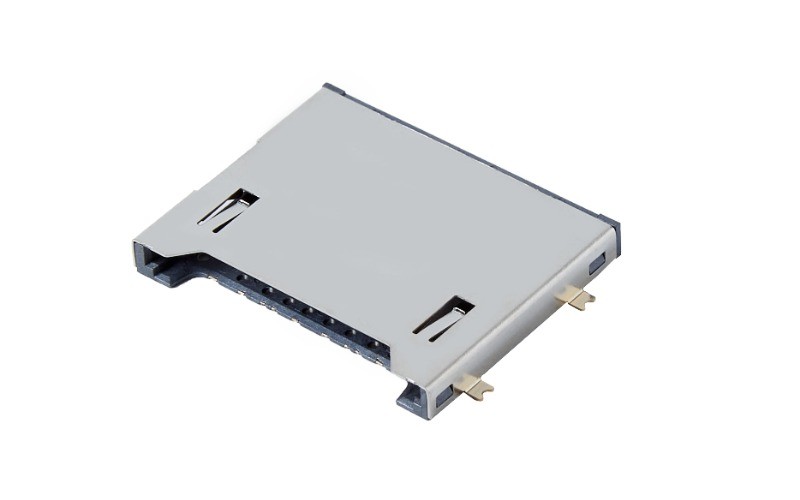
Introduction
With increasingly strict environmental regulations, SD card connectors must comply with RoHS, REACH, and halogen-free standards.
For OEMs, engineers, and buyers, compliance is essential for market access, product safety, and brand credibility.
This guide explains these standards and helps you choose a reliable supplier.
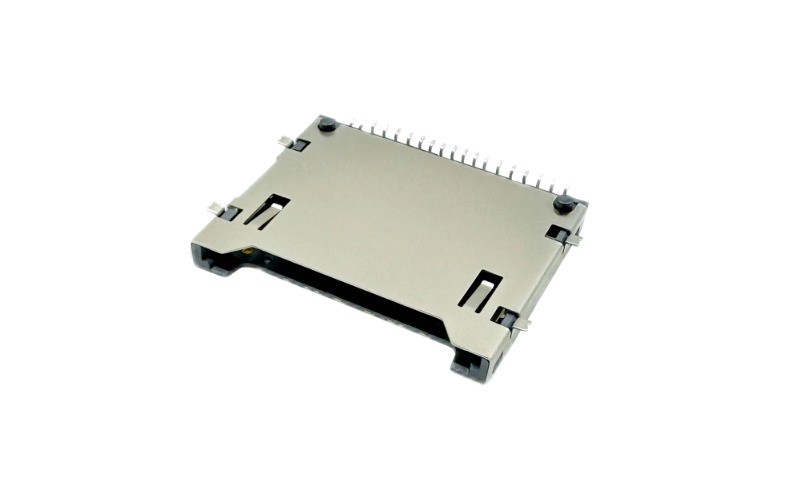
What Is RoHS and Why It Matters
RoHS restricts hazardous substances in electronic products.
Restricted Substances:
• Lead, Mercury, Cadmium
• Hexavalent Chromium
• PBB, PBDE
• Phthalates
Limits:
• 0.1% (most substances)
• 0.01% (Cadmium)
Impact on Connectors:
• Plating materials
• Plastic housing
• Soldering
What Is REACH
REACH regulates chemical substances.
Key Concept: SVHC
• Disclosure required above 0.1%
Impact:
• Supply chain transparency
• Material traceability
What Is Halogen-Free
Halogen-free materials reduce toxic emissions during combustion.
Limits:
• Cl ≤ 900 ppm
• Br ≤ 900 ppm
• Total ≤ 1500 ppm
Benefits:
• Low smoke
• Safer for enclosed environments
• Eco-friendly
Key Differences
RoHS = restriction
REACH = chemical management
Halogen-Free = safety material standard
Most connectors require all three.
Why Material-Level Compliance Matters
Each part must comply:
• Metal terminals
• Plating
• Plastic housing

MOARCONN Compliance Advantage
MOARCONN provides:
• RoHS & REACH compliant connectors
• Halogen-free solutions
• Strong supply chain control
• Precision manufacturing
• Reliable certification support
Applications
• Automotive
• IoT
• Industrial
• Consumer electronics
Conclusion
Understanding environmental standards ensures safer and globally compliant SD card connectors.
MOARCONN Quality Anchors
Every MOARCONN card socket connector is validated to 10,000 mating cycles (tested to GB/T 5095.7-1997; over 2× the 3,000–5,000 cycles common in the industry), operates from -45°C to 80°C, and ships with contact resistance ≤30mΩ thanks to ≥0.025µm gold-plated phosphor-bronze terminals. IATF 16949 certified production supports 0 MOQ orders with 7-day sampling and a 25-day development cycle — backed by in-house mold, stamping and injection molding factories and 32 granted patents.