What Are TF Card Connectors? — A Complete Buyer’s Guide
- Share
- publisher
- MOARCONN
- Issue Time
- Apr 3,2026
Summary
Discover what TF card connectors are, their types, and applications for reliable data storage and device performance.
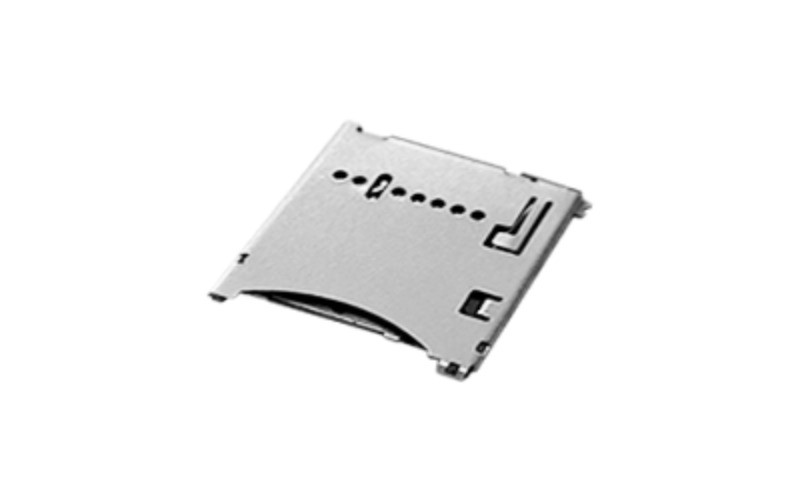
TF card connectors are critical interface components that link removable memory cards (often called TF or microSD cards) to electronic devices — enabling data storage expansion, reliable signal transmission, and seamless connectivity. This guide explains everything you need to know before choosing the right connector for your product or project.
What Is a TF Card (and Why It Matters)
A TF card, short for TransFlash, is a small flash memory card used to store multimedia files, software data, and configuration files in portable electronics such as smartphones, action cameras, drones, security systems, and more. TF cards and microSD cards are functionally the same, as TF was the original name before the SD Association standardized it as “microSD.” (makeuseof.com)
Key Takeaways:
• TF card = TransFlash card = microSD card (same size & interface standards).
• Used widely due to compact form factor and high storage capacity.
Why Connectors Matter:
While the TF card itself stores data, it’s the TF card connector that enables a device’s circuit board to detect, power, and communicate with the card correctly. A poor-quality connector leads to unreliable connections, data loss, intermittent detection, and reduced product lifespan.
What Is a TF Card Connector?
A TF card connector is a mechanical and electrical interface socket designed to receive a TF/microSD card in an electronic device. It provides:
• Secure physical mounting
• Stable electrical contacts
• Card detection and retention mechanisms
• Reliable signal transmission
Applications include mobile phones, tablets, cameras, drones, IoT modules, automotive systems, and many digital devices. (illuminatedtactswitch.com)
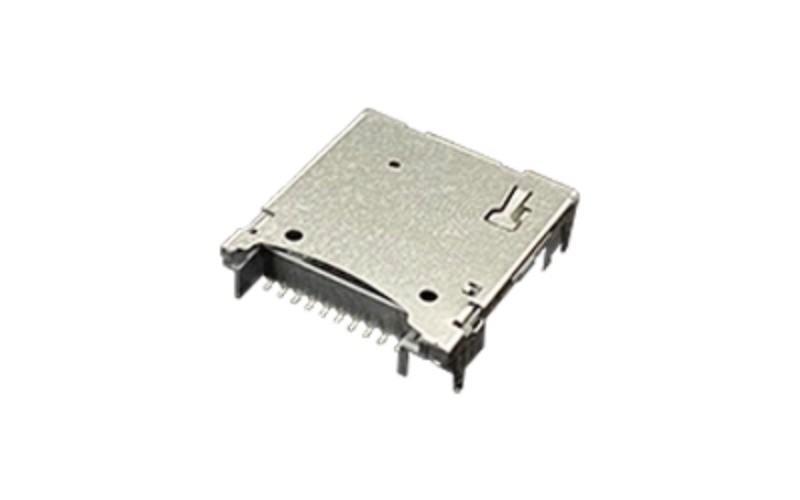
How TF Card Connectors Work
The connector doesn’t read or write data itself — its role is to ensure the memory card electrically interfaces with the device’s controller accurately. A typical TF card connector includes:
1. Guide rails or alignment features
2. Metal contact pads
3. Retention or locking mechanisms
4. Optional card detection switches (moarconn.com)
Common Types of TF Card Connectors
Push‑Push (Spring Eject)
• Insert once to lock
• Push again to eject automatically
• Best for frequent card swaps
Push‑Pull
• Manual insertion and removal
• Simple mechanism
Hinged / Flip‑Top
• Card slides in then a hinged cover secures it
• Excellent vibration resistance
Vertical or Reverse Mount
• Designed for PCB space constraints

Why Quality Connector Design Matters
A connector impacts:
Electrical Signal Integrity
Mechanical Durability
Environmental Reliability
Design Flexibility
High-quality connectors reduce data errors, last thousands of insertion cycles, and support industrial and automotive standards.
At MoarConn, we manufacture TF card connectors for consumer electronics, industrial devices, and automotive applications, offering customizable designs and robust after-sales support.https://www.moarconn.com
How to Choose the Right TF Card Connector
Consider:
Application environment
Insertion cycle rating
Contact material & plating
Mounting style
Card detection features
Typical Applications of TF Card Connectors
Smartphones & tablets
Action cameras & drones
Security & IoT devices
Automotive infotainment
Routers, sensors, embedded systems
Expert Tips & Best Practices
Consult PCB layout before choosing height and orientation
Verify card compatibility
Use connectors with card detection switches
Test for signal integrity
Summary
TF card connectors are a small but essential component that ensures reliable contact, storage expansion, and consistent device performance. Understanding types, features, and best-fit scenarios is crucial for engineers, designers, and product managers.